Implementing sustainable power solutions for autonomous sensor networks.
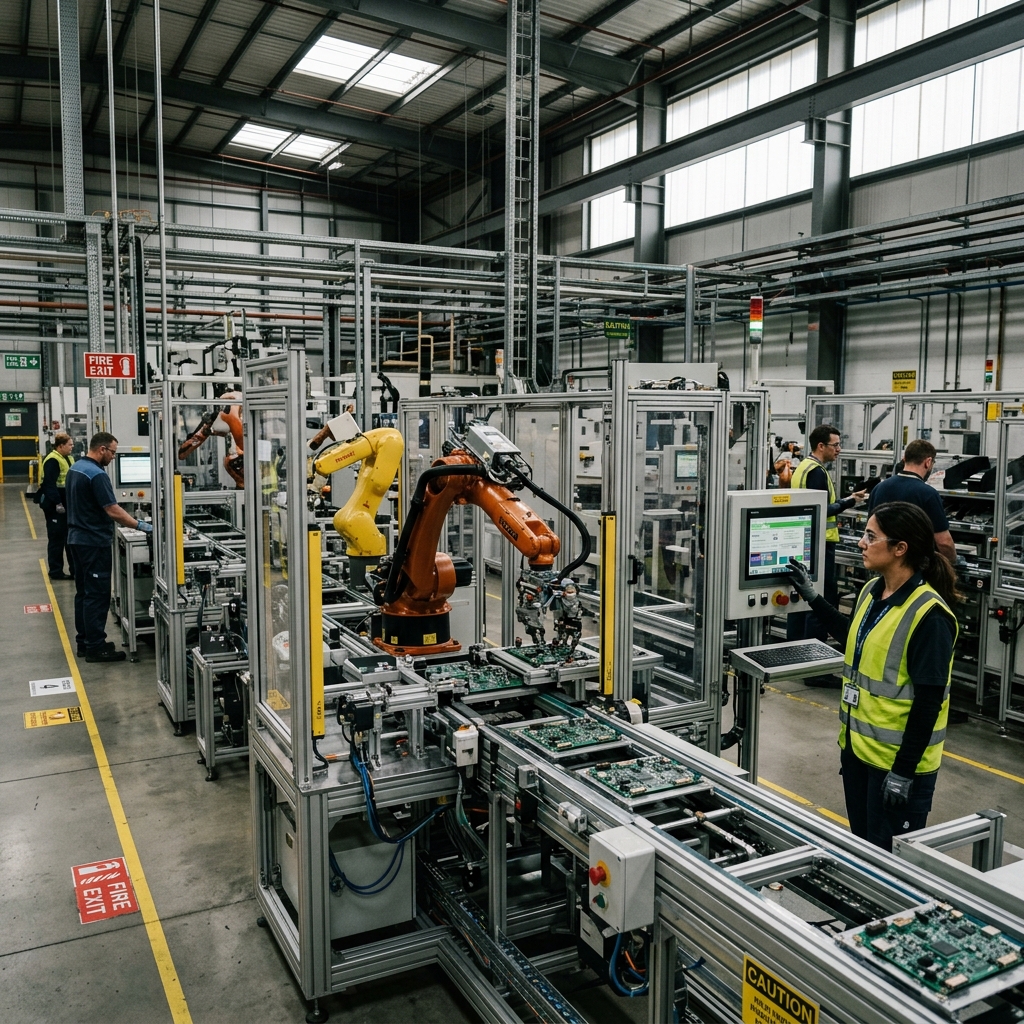
Sustainability in industry is no longer just a corporate social responsibility initiative; it is a core operational requirement. As factories deploy thousands of IIoT sensors to achieve smart manufacturing, powering these devices presents a massive logistical challenge.
Energy harvesting technologies, which capture ambient, wasted energy from the environment and convert it into electrical power, are enabling the next generation of 'deploy-and-forget' wireless autonomous sensors. This marks the end of the industrial battery replacement cycle.
publicThe Battery Maintenance Nightmare
A modern smart factory may contain over 50,000 wireless sensors monitoring everything from pipe pressure to motor vibration. If these run on standard batteries with a 2-year lifespan, maintenance teams must replace nearly 70 batteries every single day.
Beyond the immense labor cost, battery disposal presents severe environmental and compliance issues. The industry desperately needed a way to power low-energy edge devices indefinitely using the environment itself.
memoryThermoelectric and Piezoelectric Harvesting
Industrial environments are rich in wasted energy. Thermoelectric generators (TEGs) exploit the Seebeck effect, generating voltage from the temperature differential between a hot steam pipe and the ambient factory air.
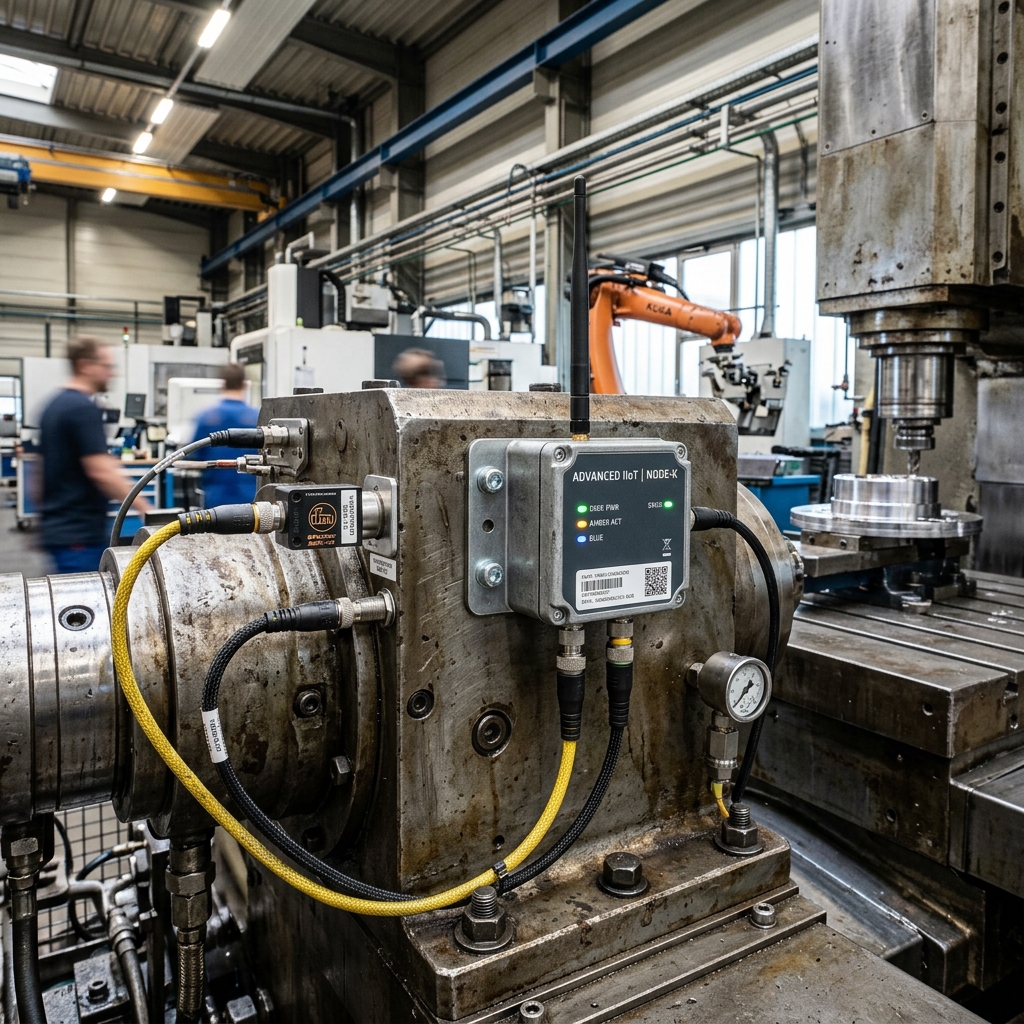
Piezoelectric harvesters utilize the natural vibrations of heavy machinery. As a motor vibrates, piezoelectric crystals compress and decompress, generating a continuous micro-current. When paired with ultra-low-power microcontrollers and supercapacitors, these harvesters provide a highly stable, infinite power source.
precision_manufacturingSelf-Sustaining Telemetry Scenarios
Oil & Gas Refineries
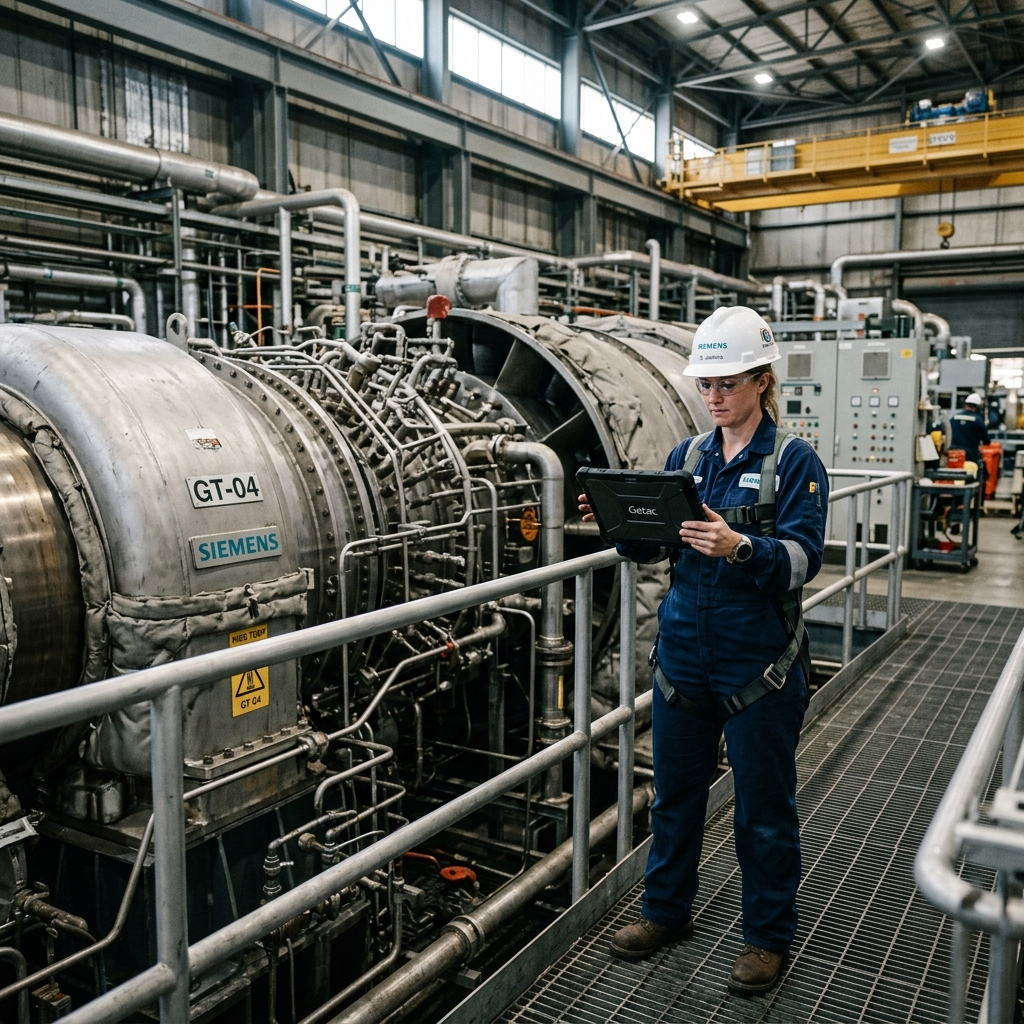
Deploying thermoelectric-powered wireless sensors on high-temperature distillation columns, completely eliminating the need to run costly and dangerous conduit wiring through explosive zones.
Rail Infrastructure
Using piezoelectric harvesters on railway tracks that generate power from the vibration of passing trains to operate track-health monitoring sensors in deeply remote areas.
HVAC & Facilities Management
Indoor solar and ambient light harvesters powering air quality and occupancy sensors, requiring zero maintenance for the lifetime of the building.
trending_upEliminating CAPEX and OPEX Barriers
The primary business impact of energy harvesting is the dramatic reduction in deployment costs. Running shielded electrical conduit in an industrial facility can be extremely costly. Energy-harvesting wireless sensors can be magnetically attached to a machine in seconds, with zero wiring costs.
Furthermore, eliminating the OPEX associated with battery maintenance schedules allows facilities to scale their IIoT networks infinitely without scaling their maintenance headcount.
The Power Budget Equation
"Energy harvesting isn't about generating massive amounts of power; it's about ruthlessly optimizing the power budget of the sensor. By utilizing edge-AI to process data locally, we only transmit anomalies via radio, cutting the sensor's power requirement by 99%."
S. Patel
insightsRF Harvesting and Nano-Generators
The future points toward Radio Frequency (RF) energy harvesting, where sensors pull power directly from the ambient Wi-Fi and 5G signals already saturating the factory floor.
Additionally, the development of Triboelectric Nanogenerators (TENGs) will allow energy to be harvested from extremely low-frequency movements, such as the gentle sway of a structural beam or the flow of air through a ventilation duct.