Comprehensive strategies for protecting connected factory floors from sophisticated external threats.
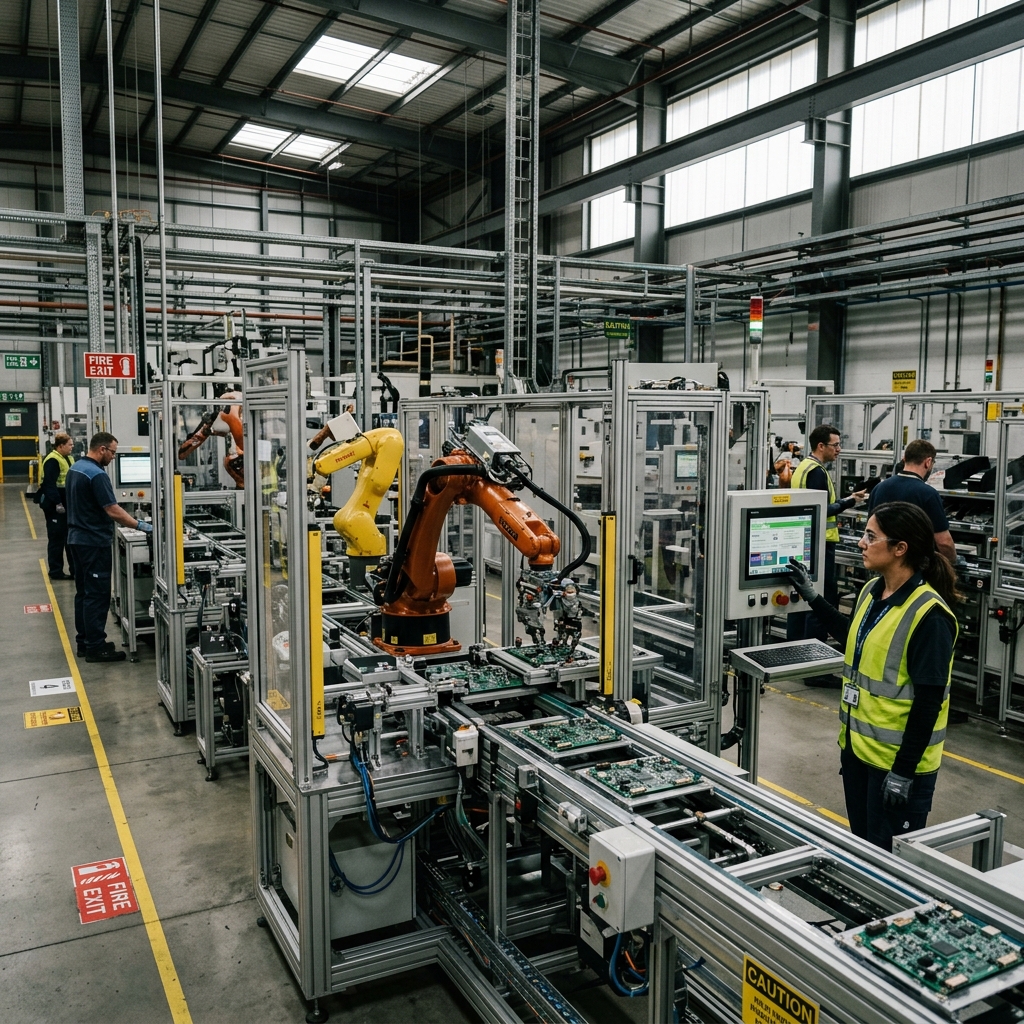
As industrial facilities become increasingly connected through the Internet of Things (IIoT), the surface area for cyberattacks expands exponentially. The convergence of IT (Information Technology) and OT (Operational Technology) has erased the traditional air-gap that once protected factory floors.
Protecting critical infrastructure today requires a multi-layered, zero-trust security approach. A compromised IT network might result in data loss, but a compromised OT network can lead to catastrophic physical damage, environmental disasters, and complete production halts.
publicThe Escalating Threat Landscape
Historically, industrial control systems (ICS) were isolated and ran on proprietary protocols. Today, they utilize standard Ethernet and TCP/IP, exposing them to the same vulnerabilities as enterprise networks.
State-sponsored actors and sophisticated ransomware syndicates increasingly target industrial infrastructure. The financial impact of an OT shutdown is so severe that victims are often compelled to pay ransoms quickly, making the sector a highly lucrative target.
memoryDefense-in-Depth and the Purdue Model
Robust IIoT security begins with strict network segmentation. The Purdue Enterprise Reference Architecture remains the gold standard, dividing the network into functional levels (from Level 0 physical processes to Level 5 enterprise networks) separated by industrial firewalls and DMZs.
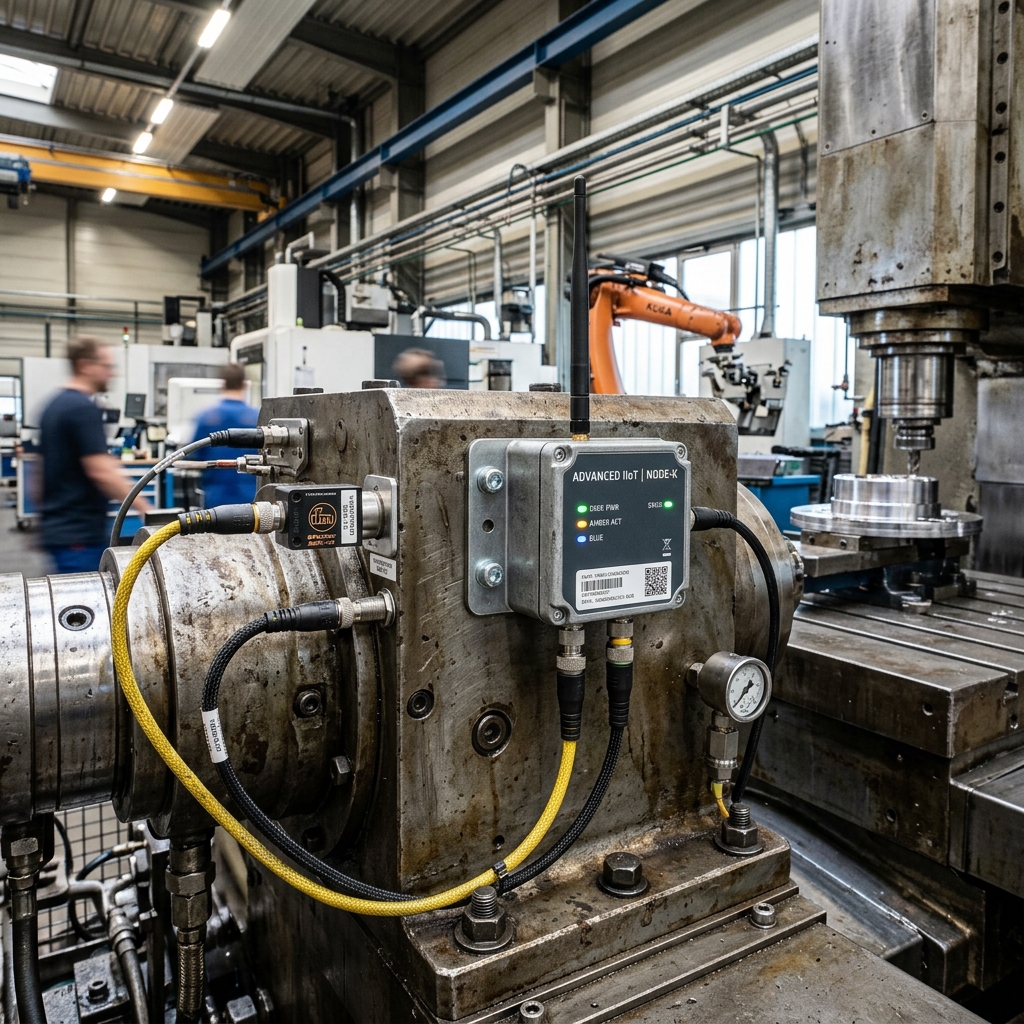
Beyond structural segmentation, modern protection relies on hardware-based root-of-trust. Every IIoT sensor and gateway must cryptographically authenticate itself before transmitting telemetry. If a malicious device is plugged into the network, it is instantly isolated by the NAC (Network Access Control) system.
precision_manufacturingApplied Industrial Cybersecurity
Energy Grid Distribution
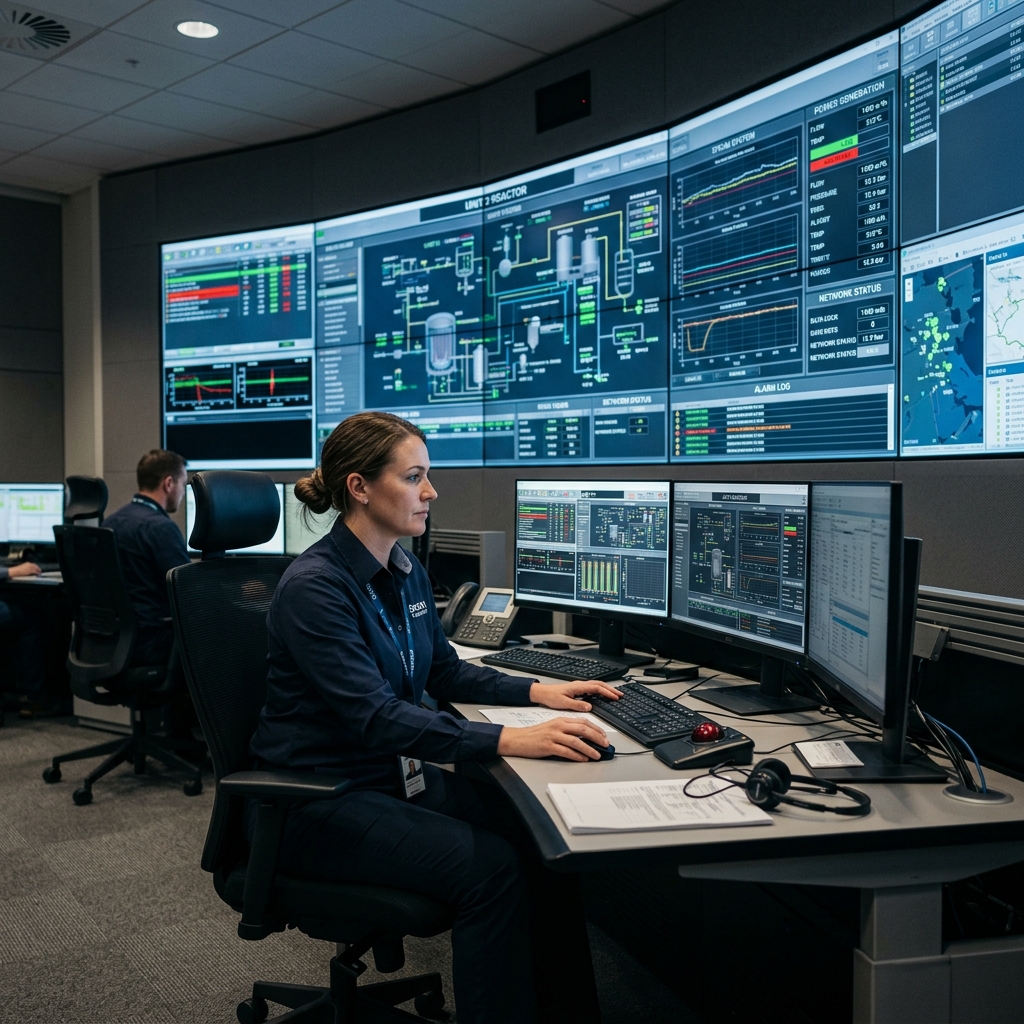
Implementing unidirectional security gateways (data diodes) to allow telemetry data out of the power plant while making it physically impossible for external signals to enter the control network.
Pharmaceutical Manufacturing
Deploying AI-driven behavioral analytics to monitor PLC traffic. If a controller suddenly requests to alter a chemical mixing ratio, the system instantly blocks the command and alerts SOC.
Automotive Supply Chain
Utilizing blockchain-backed cryptographic ledgers to verify the firmware integrity of third-party IIoT sensors before they are allowed to join the primary assembly network.
trending_upRisk Mitigation as a Profit Center
While cybersecurity is traditionally viewed as a cost center, in the industrial realm, it is a critical enabler of operational continuity. A robust security posture allows companies to confidently implement advanced automation and cloud-analytics without the paralyzing fear of a breach.
Furthermore, compliance with emerging international standards is becoming a prerequisite for securing high-value contracts in defense, aerospace, and critical infrastructure sectors.
The Air-Gap Fallacy
"Many executives still believe their factory floors are air-gapped and therefore safe. In reality, the air-gap is dead. Maintenance laptops, USB drives, and rogue cellular modems bridge that gap every day. Security must be built into the DNA of the device, not just the perimeter of the building."
S. Patel
insightsAutonomous Threat Hunting via AI
The future of IIoT security lies in autonomous threat hunting. Static signature-based firewalls are obsolete against zero-day exploits. Tomorrow's industrial networks will employ AI agents that continuously patrol the network architecture, deploying decoy PLCs (honeypots) and analyzing micro-deviations in network jitter to detect stealthy reconnaissance activities.
Quantum-resistant encryption will also become standard for securing long-term industrial assets, ensuring that telemetry captured today cannot be decrypted by quantum computers a decade from now.