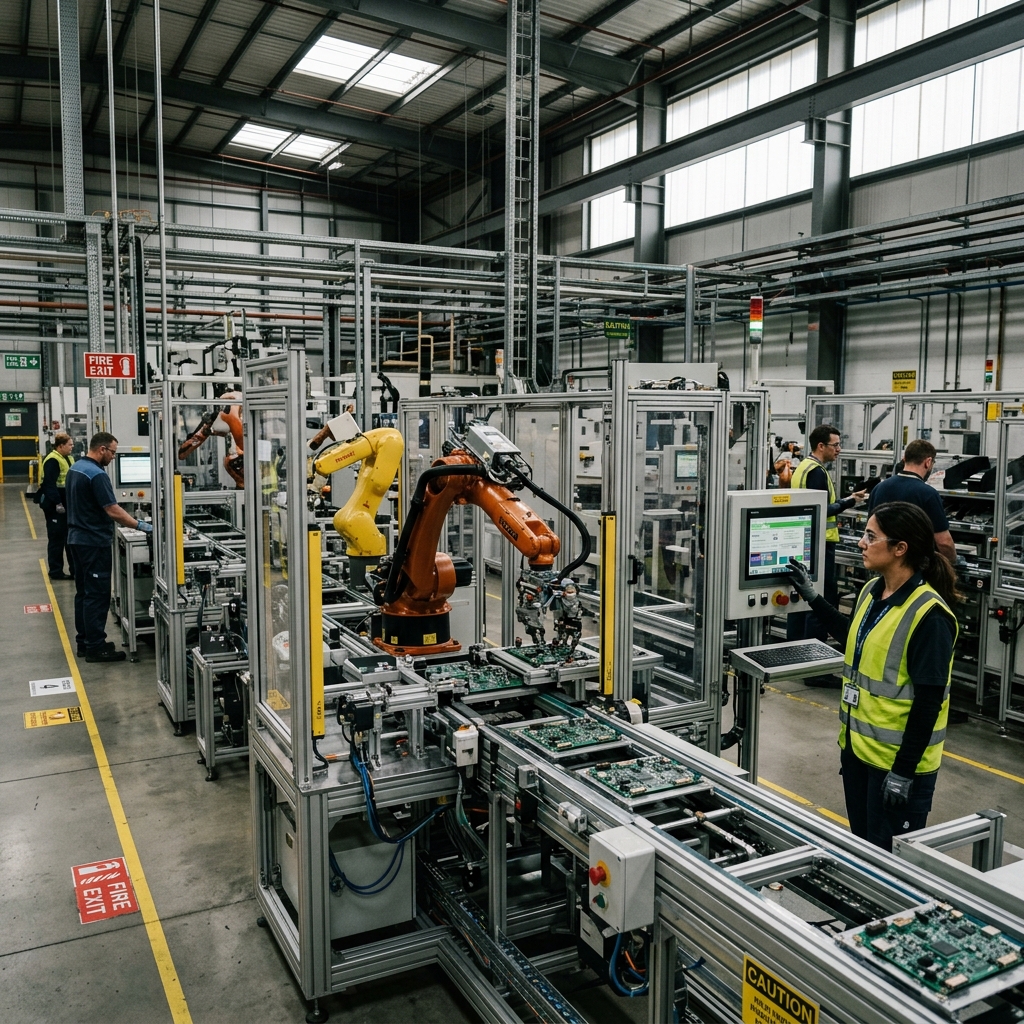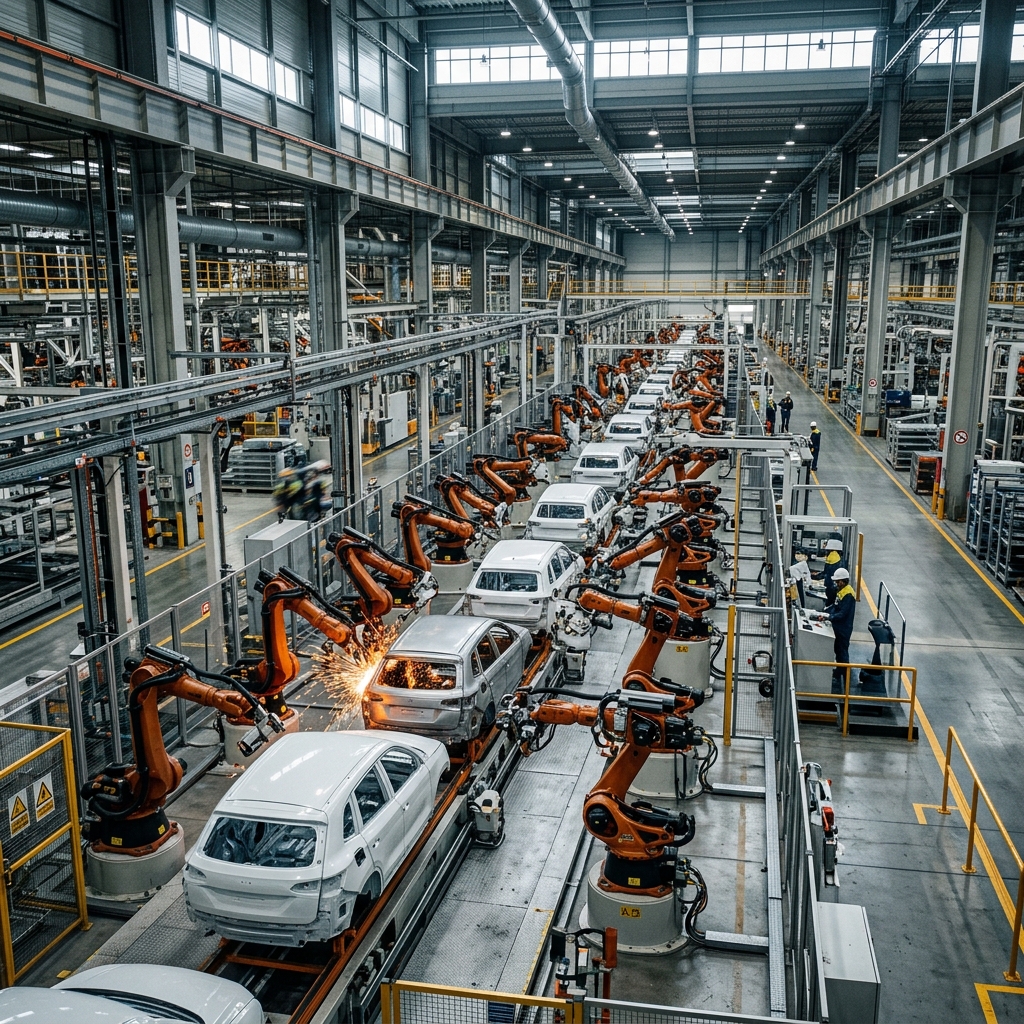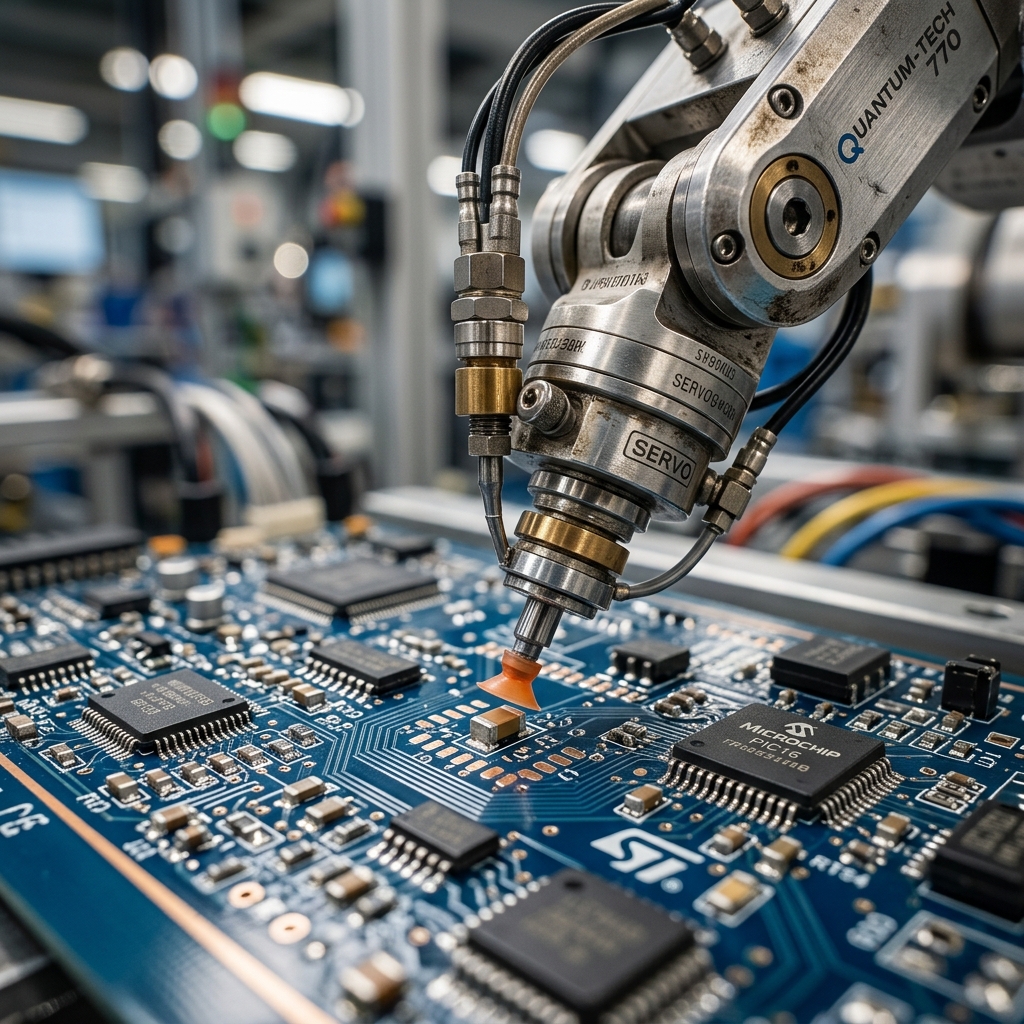
Modernizing legacy control systems for Industry 4.0 compatibility.
Programmable Logic Controllers (PLCs) and Supervisory Control and Data Acquisition (SCADA) systems have been the undisputed workhorses of industrial automation for decades. However, as the demands of Industry 4.0 emerge, these legacy systems are often viewed as technological bottlenecks.
Complete replacement of legacy infrastructure is frequently unfeasible due to exorbitant costs and unacceptable production downtime. The challenge for modern enterprises lies in strategic modernization—bridging the gap between 30-year-old serial protocols and modern cloud-native analytics platforms.
publicThe Legacy Data Silo Problem
Millions of industrial machines globally run on reliable but isolated legacy PLCs. These machines were designed to execute specific physical tasks perfectly, not to share rich telemetry data with enterprise IT networks.
This creates isolated 'data silos' on the factory floor. Plant managers know a machine is running, but they lack the granular insight into motor current draw, cycle-time degradation, or predictive fault codes necessary for advanced operational optimization.
memoryEdge Gateways and Protocol Translation
The solution lies in the deployment of Industrial Edge Gateways. These ruggedized computers sit adjacent to the legacy PLCs, communicating natively via old serial protocols (like Modbus RTU or Profibus).
The gateway translates this raw, unstructured data into modern, context-rich IoT protocols like MQTT or OPC-UA. This abstraction layer allows the legacy PLC to continue running the physical process undisturbed, while a parallel data stream is sent securely to the SCADA system or the cloud for advanced analytics.
precision_manufacturingStrategic Retrofitting Scenarios
Water Treatment Facilities
Overlaying a modern, web-based SCADA interface like Ignition on top of legacy pump station PLCs, allowing operators to monitor reservoir levels securely via mobile devices without replacing the heavy infrastructure.
Legacy CNC Machining
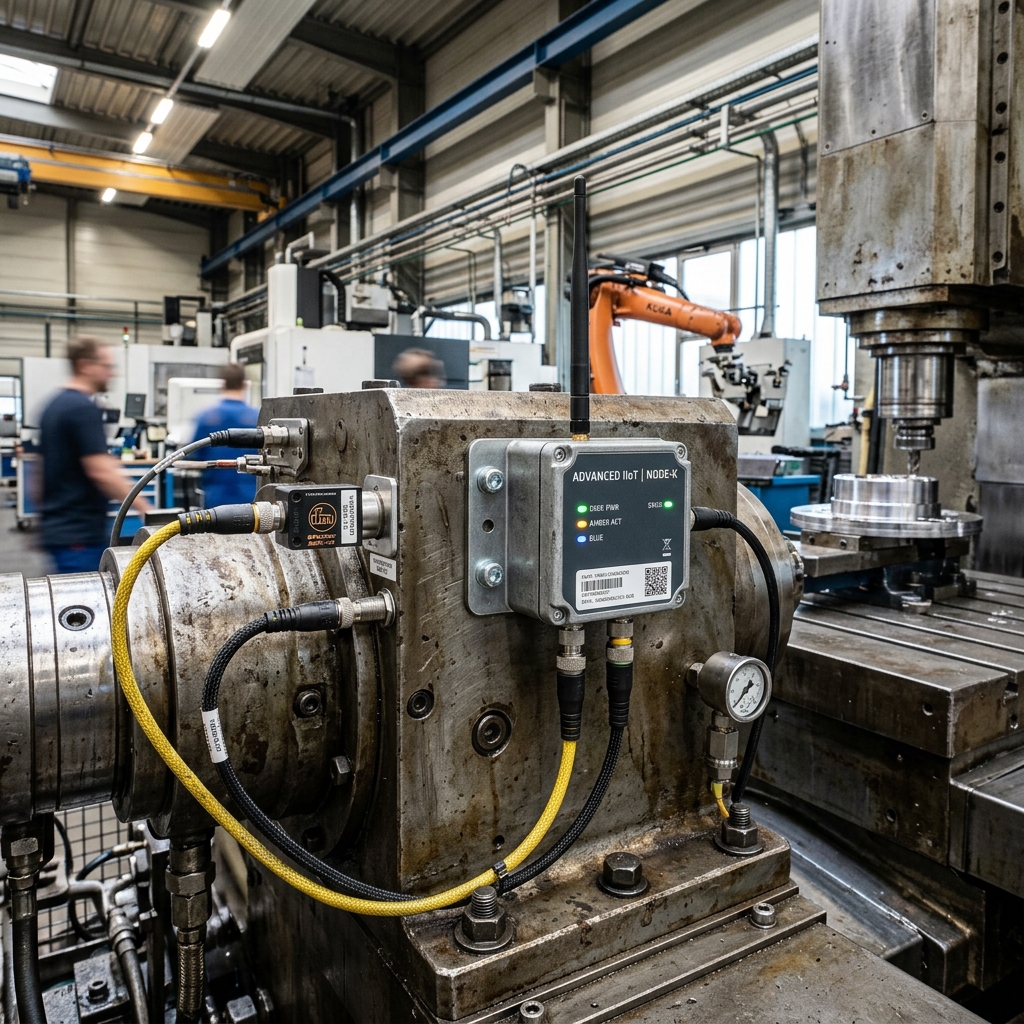
Installing non-invasive current transducers and vibration sensors alongside the legacy CNC controller, feeding data to an edge gateway to enable predictive maintenance without touching the machine's core logic.
Food Packaging
Upgrading just the HMI (Human-Machine Interface) panels to modern multi-touch screens that aggregate data from multiple older PLCs, vastly improving operator situational awareness.
trending_upMaximizing the Lifespan of CAPEX
Strategic modernization allows companies to unlock Industry 4.0 capabilities at a fraction of the cost of a full 'rip-and-replace' strategy. By adding a modern data layer on top of existing machinery, businesses maximize the ROI on their original capital expenditures.
Furthermore, modernizing the SCADA interface reduces training time for new operators. Modern UI/UX principles applied to industrial screens lead to faster decision-making and fewer catastrophic operator errors.
Respect the Physical Layer
"In the rush to push data to the cloud, IT teams often forget that a PLC is controlling tons of kinetic steel. Modernization must never compromise the deterministic, real-time safety loop of the control system. If the cloud disconnects, the machine must still fail safely."
Dr. A. Kumar
insightsSoftware-Defined Automation
The future of the PLC is virtualization. We are moving toward 'Software-Defined Automation', where the control logic no longer resides on proprietary, vendor-locked hardware boxes. Instead, virtual PLCs (vPLCs) run as containerized applications on standard IT servers at the industrial edge.
This decoupling of hardware and software will allow factories to deploy, update, and scale control systems with the same agility that tech companies manage web servers, fundamentally disrupting the traditional automation market.